
Debt Consolidation Loan: The Complete Guide
A debt consolidation loan replaces multiple high-interest debts with one fixed-rate loan — rates range from 7% to 36% APR depending on credit score.


A debt consolidation loan combines multiple high-interest debts � typically credit cards, medical bills, or personal loans � into a single fixed-rate loan with one monthly payment. Rates typically range from 7% to 36% APR, depending on your credit score and lender. Done right, consolidation can save thousands in interest and create a clear payoff date that revolving credit never gives you.
All rates and APRs mentioned in this article are for illustration purposes. Rates change frequently � always verify current rates directly with your lender before applying.
The catch is that consolidation only works when the math genuinely improves your situation. If you're paying 25�30% APR across multiple credit cards and you qualify for a consolidation loan at 12�15%, that's a real, measurable win. But if you extend a five-year payoff into a seven-year loan just to lower the monthly payment, you've made the debt quieter � not smaller. Quiet debt is dangerous. This guide covers how these loans work, which lenders are worth considering across different credit profiles, and the situations where you should skip the loan entirely.
Contents
- How a Debt Consolidation Loan Actually Works
- Best Debt Consolidation Loans by Credit Profile
- Debt Consolidation Loans Bad Credit � Your Real Options
- How to Use a Debt Consolidation Loan Calculator
- Debt Consolidation Loan Rates � What to Expect
- When a Debt Consolidation Loan Is Not the Right Move
- Quick Comparison � Top Debt Consolidation Lenders
- Watch This First
- What Real People Are Saying
- Frequently Asked Questions
- Your Next Steps
How a Debt Consolidation Loan Actually Works
The mechanics are straightforward. You borrow a lump sum � enough to pay off your existing debts � from a bank, credit union, or online lender. That lender pays off your creditors directly (some lenders) or deposits the funds into your account (others). From that point forward, you make one fixed monthly payment to the new lender over a set repayment term, typically two to seven years.
The loan is almost always unsecured, meaning you don't put up collateral like your home or car. That's both a benefit and a cost driver � because the lender takes on more risk with no collateral backing the loan, your credit score and income become the primary underwriting factors. Strong credit unlocks rates near 7�10% APR. Average credit lands in the 15�20% range. Poor credit often means 25�35% APR, which can eliminate any meaningful savings over high-interest credit cards.
Here's the fundamental rule: consolidation only makes financial sense when your new APR is lower than your current weighted average APR across all debts. If you're running three credit cards at 22%, 26%, and 29% APR, your blended rate is somewhere around 25%. Any consolidation loan below that figure improves your situation. Anything above it just restructures your debt without reducing it.
Beyond the interest rate, pay attention to origination fees. Many lenders charge 1�8% of the loan amount upfront, which gets deducted from your proceeds or added to your balance. A $15,000 loan with a 5% origination fee effectively costs you $750 before you make a single payment. Factor that into your comparison when you use a debt consolidation loan calculator to model your total cost.
Repayment terms matter just as much as rates. A shorter term � say, 36 months instead of 60 � means higher monthly payments but dramatically less total interest paid. If you can afford the higher payment, always choose the shorter term. The goal is to exit debt, not to minimize your monthly obligation while maximizing the lender's profit.
Best Debt Consolidation Loans by Credit Profile
Different lenders target different credit tiers. Applying to the wrong lender wastes a hard inquiry and can temporarily ding your score. Here's how to think about matching lenders to your situation.
Good to Excellent Credit (700+): SoFi
SoFi targets borrowers who want large loan amounts � up to $100,000 � with transparent underwriting and multiple offer structures at approval. Rather than presenting a single take-it-or-leave-it offer, SoFi shows you several loan configurations with different terms, rates, and monthly payments. That flexibility lets you pick based on strategy rather than desperation. For borrowers with strong credit profiles, SoFi's starting APRs are competitive, and the absence of origination fees means the rate you see is the rate you pay. Funding can happen same-day for approved applications. If your consolidation need is substantial � $20,000 or more � and your credit supports it, SoFi is consistently one of the strongest options available.
Fair Credit (640�699): LendingClub
LendingClub occupies the middle ground of the credit spectrum � not just for borrowers with pristine scores, but not predatory for fair-credit borrowers either. Loan sizes start around $1,000, which matters for people who don't need a massive loan but want to knock out $6,000�$12,000 in revolving debt before interest compounds further. Starting APRs for strong applicants can be competitive, though borrowers with scores in the low-to-mid 600s should expect rates toward the higher end of the range. Still, even a mid-range consolidation loan rate often beats the 25�30% APR most credit cards charge. LendingClub's platform also lets borrowers check their rate with a soft pull before formally applying, which protects your credit score during the shopping phase.
Bad Credit (below 640): Upgrade and Upstart
Upstart uses an AI-based underwriting model that weighs factors beyond your credit score � including education, employment history, and income � which helps borrowers with thin credit files or lower scores qualify when traditional lenders decline them. Upstart advertises funding in as fast as one business day, and rate checks are available in roughly five minutes without affecting your credit. For smaller consolidation needs with limited credit history, Upstart is worth checking first.
Upgrade, mentioned consistently across borrower communities for bad-credit consolidation, is one of the more forgiving lenders for scores in the low 600s with past credit problems still showing on reports. They also offer secured loan options, which can boost approval odds and potentially lower your rate by putting up collateral. Upgrade isn't the cheapest option, but for many bad-credit borrowers, it's the bridge that prevents a slide into payday loans or high-fee debt settlement companies.
Credit Card Debt Only, Good Credit: Happy Money
Happy Money operates differently from the big fintech lenders � it partners with credit unions and nonprofits behind the scenes, which translates to lighter fees and often more borrower-friendly rates. Happy Money focuses specifically on paying off credit card debt rather than general consolidation, making it a strong fit if your entire debt load is revolving credit card balances and your credit score is in good-to-excellent territory. If that describes you, it's worth getting a rate quote alongside the other lenders listed here.
Debt Consolidation Loans Bad Credit � Your Real Options
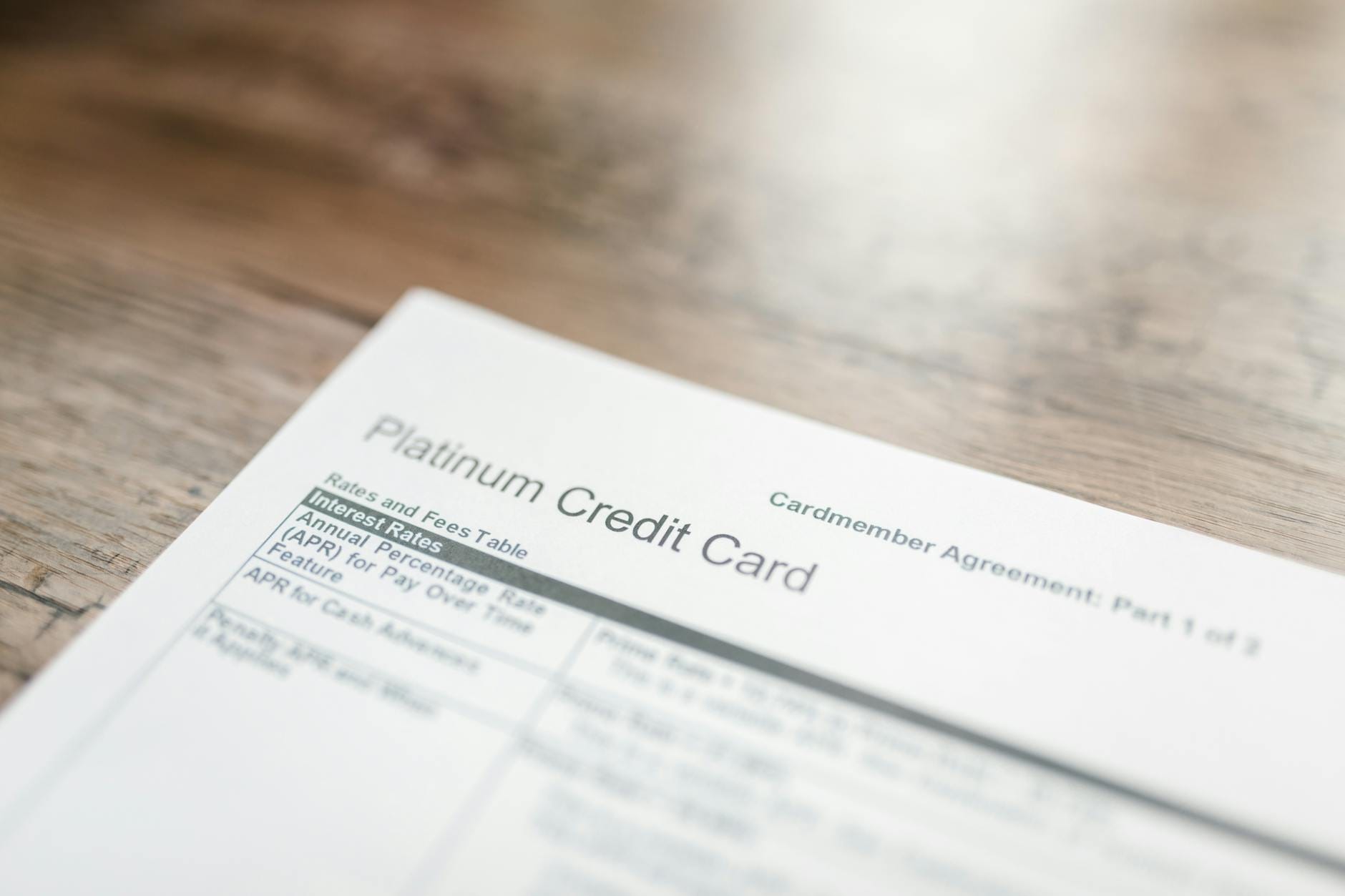
Bad credit doesn't automatically disqualify you from a debt consolidation loan � it just shapes which lenders will work with you and at what price. According to LendingTree, borrowers with bad credit receive an average of five or more loan offers when using a comparison marketplace, which means competition among lenders works in your favor even at lower credit tiers.
There's no universal minimum credit score for consolidation loan approval. Some lenders work with scores as low as 580 or even lower, particularly online lenders that use alternative underwriting models. The tradeoff is rate: bad-credit consolidation loans can carry APRs in the 25�36% range, which narrows the savings gap over credit cards significantly. At that rate, the main benefit shifts from interest savings to payment simplification and a fixed payoff date � not nothing, but not the dramatic savings that good-credit borrowers capture.
Several strategies can improve your chances and lower your rate:
- Apply with a cosigner. A creditworthy cosigner significantly improves approval odds and can unlock lower rates. The cosigner takes on legal responsibility for the debt if you default, so this requires real trust from both parties.
- Offer collateral. Some lenders offer secured personal loans where you put up a savings account, vehicle, or other asset. Lower lender risk typically means lower APR.
- Check credit unions first. Navy Federal Credit Union, for example, evaluates your overall financial profile rather than relying purely on your credit score, with loan amounts from $250 to $50,000. Many local credit unions operate similarly.
- Spend two to three months building your score first. Paying down any available credit card balances, disputing errors on your credit reports, and avoiding new applications for 60�90 days can meaningfully move your score. Even a 20-point improvement can shift you into a better rate tier.
According to Bankrate, even if you qualify for a debt consolidation loan with bad credit today, taking a few months to improve your score could result in meaningfully better terms. If the math doesn't clearly improve with current offers, that waiting period may be worth it.
For a deeper breakdown of bad-credit consolidation strategies, see our complete guide to debt consolidation loans for bad credit.
How to Use a Debt Consolidation Loan Calculator
Before applying anywhere, run the numbers. A debt consolidation loan calculator tells you whether the move actually improves your financial position � and by how much. Here's what you need to gather first:
- Each debt balance, current APR, and minimum monthly payment
- The consolidation loan amount, proposed APR, and term in months
- Any origination fee as a percentage
The calculator computes your total interest cost under the current payment structure versus the new loan. The difference is your actual savings � not a marketing estimate. Many people are surprised to find that a loan with a lower monthly payment can cost more in total interest if the term is significantly longer. Always compare total cost, not just the monthly number.
A practical example: Say you have three credit card balances totaling $18,000 at a blended APR of 24%. Paying $550 per month, you'd pay roughly $8,900 in total interest over four years. A consolidation loan at 13% APR over four years on the same $18,000 with a $550 payment would cost approximately $3,400 in interest � a savings of over $5,500. That's a real, meaningful improvement worth acting on.
On the other hand, if you qualify for only 22% APR on that same loan, the savings shrink to a few hundred dollars. At that point, the main benefit is simplification, not interest reduction. Whether simplification alone is worth the origination fee and hard inquiry is a judgment call that only you can make.
Understanding how interest compounds over time is critical to making this decision well. Our compound interest calculator guide walks through exactly how compounding works against you when carrying revolving debt at high APRs.
Debt Consolidation Loan Rates � What to Expect
Debt consolidation loan rates vary enormously based on credit score, income, debt-to-income ratio, and lender type. Here's a realistic picture of what different borrower profiles can expect:
Borrowers with scores above 720 and strong income-to-debt ratios can qualify for rates in the 7�12% APR range through online lenders and credit unions. Fair-credit borrowers in the 640�699 range typically land between 15�22% APR. Below 640, most lenders start at 25% APR and can run to 36% � the regulatory cap for most personal loan lenders.
Lender type also affects your rate significantly. Credit unions almost always offer lower rates than banks or online fintech lenders because they operate as nonprofits and return earnings to members rather than shareholders. If you're a member of a credit union � or can join one � get a rate quote there before going to an online lender. The difference can be 3�6 percentage points on the same credit profile.
Banks where you have an existing relationship (checking account, savings, prior loan) sometimes offer rate discounts for existing customers. It's worth calling your bank directly and asking about relationship pricing before comparing elsewhere.
Watch out for lenders that advertise teaser rates prominently. The headline rate ("as low as 6.99% APR") goes to the most qualified applicants � typically the top 5�10% of borrowers. Most people see a different rate when they actually apply. Always pre-qualify with a soft-pull check before formally applying so you see your real rate without a credit score impact.
\n
| Lender | APR Range | Loan Amount | Min. Credit Score | Best For | Origination Fee |
|---|---|---|---|---|---|
| SoFi | ~8%�25% APR | $5,000�$100,000 | ~680 | Large loans, strong credit | None |
| LendingClub | ~7%�36% APR | $1,000�$40,000 | ~600 | Mid-range debt, fair credit | 3%�8% |
| Upstart | ~7%�35% APR | $1,000�$50,000 | ~300 (AI model) | Thin credit files, fast funding | 0%�12% |
| Upgrade | ~9%�36% APR | $1,000�$50,000 | ~580 | Bad credit, secured options | 1.85%�9.99% |
| Happy Money | ~11%�25% APR | $5,000�$40,000 | ~640 | Credit card debt, good credit | 0%�5% |
| Credit Union (local) | ~7%�18% APR | Varies | Varies | Members, low rates | Low or none |
\n
When a Debt Consolidation Loan Is Not the Right Move
Consolidation gets oversold. There are situations where it genuinely does not help � and a few where it makes things worse.
You're still actively adding to your balances. If the spending behavior that created the debt hasn't changed, consolidating gives you a temporary reprieve while you reload the credit cards you just paid off. You end up with a consolidation loan balance plus new credit card balances � more total debt, not less. This is one of the most common consolidation failure patterns.
The APR doesn't improve enough. If your current blended rate is 24% and the best consolidation rate you qualify for is 21%, the savings on $15,000 over four years is roughly $700 � possibly less than the origination fee. The improvement is real but marginal. In this case, aggressively paying down the highest-rate card (the avalanche method) might generate better results without adding a new loan.
Your debt load is manageable already. If your total debt is under $5,000 and you can realistically pay it off within 12 months through focused effort, a consolidation loan adds complexity (origination fee, new account, hard inquiry) that isn't justified by the interest savings.
You're considering a very long loan term. A seven-year consolidation loan on $25,000 at 15% APR costs you roughly $15,600 in total interest. The same balance paid aggressively over three years at the same rate costs about $6,100. The longer term feels easier month to month but doubles your total cost. If you genuinely can't afford the shorter-term payment, that's a signal that the debt load relative to your income is the real problem to solve � possibly through income increases, a spending audit via zero-based budgeting, or in serious cases, credit counseling.
Your credit is too damaged for a meaningful rate improvement. At 36% APR, a consolidation loan on credit card debt offers no interest savings � just the convenience of one payment. That convenience rarely justifies the origination fee and the new inquiry. In this situation, a nonprofit credit counseling agency's debt management plan (DMP) often delivers better outcomes: lower interest rates negotiated directly with creditors, no loan required, and structured payoff timelines.
Quick Comparison � Top Debt Consolidation Lenders
The table below summarizes the key characteristics of leading debt consolidation lenders across different credit profiles. Use this as a starting point, then pre-qualify with soft pulls to see your actual offered rate before applying.
Watch This First
Watch: the Achieve YouTube channel on picking the best debt consolidation loan in 2026 🎬
According to the Cal Barton YouTube channel, one of the most overlooked alternatives to a traditional consolidation loan is a 0% balance transfer card through a credit union. The example cited involves a card offering 0% interest on balance transfers through mid-2027, with a permanent APR that drops to approximately 12.9% after the promotional period ends � well below the 20% national average credit card rate, and far below the 33%+ rates some cardholders are currently paying. The strategy: transfer high-interest balances, commit aggressively to paying down the principal while interest is suspended, and use the low ongoing APR as a safety net if you don't fully clear the balance in time.
The channel also makes a point worth internalizing: the best consolidation outcome comes from picking the shortest term you can realistically afford, not the one with the smallest monthly payment. Stretching a loan to reduce the monthly bite extends the total interest cost significantly. If you're comparing two loan structures, always look at total interest paid over the full life of the loan � not just the monthly number. That single habit separates people who use consolidation as a genuine exit strategy from those who use it as temporary financial relief.
What Real People Are Saying
In r/DebtAdvice, the recurring advice is to target lenders offering rates significantly below your current APR � not just marginally lower. Users point out that dropping from 30% APR to even 12�15% on a meaningful balance produces substantial real-world savings, while a drop from 30% to 25% barely justifies the application effort and origination fee.
In r/personalfinance, a commonly repeated warning is that consolidation loans frequently fail not because of the loan terms but because borrowers haven't addressed the spending behavior that created the debt. Multiple users note that they've seen peers consolidate, feel financial relief, and then rebuild credit card balances � ending up with both a consolidation loan payment and new card debt. The loan didn't fail; the plan did. This is why budgeting discipline, ideally through a system like a structured paycheck budgeting approach, needs to accompany any consolidation strategy.
In r/FinancialPlanning, the consensus is practical: a consolidation loan makes sense when you can lock in a lower rate, stop balance growth, and commit to the fixed payment schedule. The advice is to compare multiple lenders before committing � not to take the first pre-qualified offer. According to users in that thread, shopping three to five lenders via soft-pull pre-qualification costs nothing in terms of credit score impact and regularly surfaces rate differences of 4�8 percentage points on the same borrower profile.
Frequently Asked Questions
Will my bank give me a debt consolidation loan with bad credit?
Your bank may approve you, but the odds are lower than with online lenders or credit unions that specialize in working with lower credit scores. Banks typically use stricter underwriting criteria, and existing customers don't always receive preferential treatment on unsecured loans. If your score is below 640, start with online lenders like Upstart or Upgrade, which use broader approval models, and check any credit union you belong to. Your bank is worth asking � but don't stop there.
Can I get a debt consolidation loan with a 520 credit score?
Yes, some lenders will approve borrowers at 520, but the rate will likely be in the 30�36% APR range. At that rate, a consolidation loan may offer minimal interest savings over credit cards. The more productive path at 520 may be spending 3�6 months raising your score: paying down balances, disputing errors on your credit report, and avoiding new applications. Even reaching 580�600 can open significantly better rate tiers. If you need immediate consolidation, check Upstart's AI-based underwriting and any local credit union that evaluates your full financial picture rather than your score alone.
How much does a debt consolidation loan typically save on interest?
Savings depend entirely on the rate difference and loan size. On $15,000 at a blended 24% APR, dropping to 13% APR over four years saves approximately $4,500�$5,000 in total interest. On smaller balances or smaller rate differences, savings shrink proportionally. Always use a consolidation calculator � plug in your actual numbers, including any origination fee � before deciding. Qualitative reasoning ("this feels like a better deal") is not sufficient justification for a multi-year financial commitment.
Does applying for a debt consolidation loan hurt my credit score?
Pre-qualification checks use soft pulls and have no impact on your score. Formally applying triggers a hard inquiry, which typically lowers your score by 5�10 points temporarily. More significantly, if you're approved and pay off revolving credit card balances, your credit utilization ratio drops � which usually produces a score increase that more than offsets the hard inquiry impact within a few months. The net credit impact of successful debt consolidation is generally positive over a 6�12 month period.
What's the difference between a debt consolidation loan and a balance transfer card?
A consolidation loan gives you a fixed APR, fixed monthly payment, and fixed payoff date for the full term. A balance transfer card offers 0% APR for a promotional period � typically 12�21 months � then reverts to a standard purchase APR. If you can realistically pay off the transferred balance before the promotional period ends, the balance transfer card often wins on total interest cost. If you can't pay it off in time, the post-promo APR can be as high as 25�29%, erasing the benefit. Loan terms are more forgiving of slower payoff timelines; balance transfers reward speed.
What loan term should I choose for a debt consolidation loan?
The shortest term you can genuinely afford each month. A 36-month term versus a 60-month term on $20,000 at 14% APR means paying roughly $4,500 versus $7,800 in total interest � a $3,300 difference. The 60-month payment is more comfortable month-to-month, but you pay 73% more in interest over the life of the loan. If the shorter-term payment genuinely strains your budget, choose the longer term over missing payments � missed payments are far more damaging than extra interest. But if you can swing it, always go shorter.
Are there debt consolidation options that don't require a good credit score?
Yes � several. Secured personal loans (using a savings account or vehicle as collateral) are available to borrowers with lower scores and often carry lower rates than unsecured options. Nonprofit credit counseling agencies offer debt management plans that negotiate reduced interest rates with creditors without requiring a loan at all. Credit unions like Navy Federal evaluate your overall financial profile rather than relying solely on your credit score. And some community banks work with borrowers they know through existing relationships, even at lower credit scores.
Your Next Steps
Debt consolidation is a tool, not a solution. Whether it's right for your situation depends on three things: the rate you can qualify for, your ability to commit to the fixed payment, and whether you've addressed the habits that created the debt. Here's how to move forward intelligently:
- Run the numbers first. Gather every debt balance, APR, and minimum payment. Use a consolidation calculator to determine your actual total interest under current terms versus a new loan. If the savings are under $1,000 after origination fees, the math may not justify the move.
- Get multiple soft-pull pre-qualifications before applying. Check at least three to five lenders � including your credit union � without triggering hard inquiries. Rate differences of 5�8 percentage points on the same profile are common. Never take the first offer.
- Pair the loan with a budget system. Consolidation without behavioral change has a high failure rate. Implement a structured budget � zero-based or otherwise � on the same day you take out the loan. Close or freeze the credit cards you're paying off so they don't become a secondary debt layer.
If your credit score needs work before you qualify for a meaningful rate, that's not a reason to delay � it's a reason to start. Even small improvements in the 60�90 days before applying can unlock better terms. The path out of high-interest debt is available; the key is making sure the tool you choose actually shortens it rather than extending it under a more comfortable monthly payment.
About the Author
Written by Varn Kutser
Personal finance writer covering savings, investing, and budgeting with a data-first approach. Every rate, limit, and claim is verified against official sources � FDIC, IRS, and Federal Reserve. No clickbait, no guesswork, just numbers.
Disclaimer: Rates and terms mentioned in this article are subject to change. Verify current rates directly with financial institutions before opening any account.
Last updated: May 5, 2026 � fabelo.io