
How To Save Money On Gas: A Complete Step-by-Step Guide
Save money on gas by using apps like GasBuddy, adjusting your thermostat, sealing drafts, and driving smarter. These steps can cut your gas costs by 15–30%

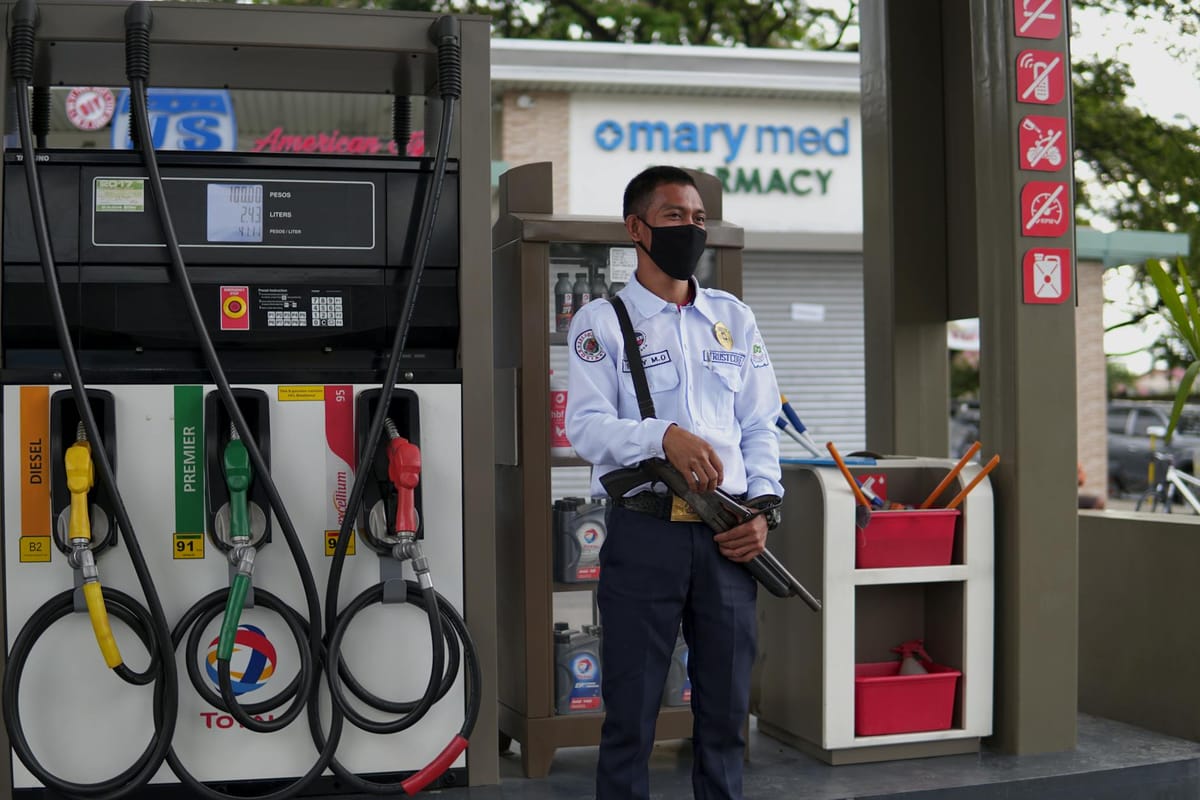
Knowing how to save money on gas — whether that's fuel for your car or natural gas for your home — can put several hundred dollars back in your pocket every year. The average American household spends over $2,000 annually on gasoline alone, and home heating costs can add another $900–$1,500 depending on your climate. Drop your thermostat by just one degree and you shave roughly 1–3% off your heating bill. Use the right app at the pump and you can save up to 40 cents per gallon. Stack both strategies and the savings compound fast.
Savings estimates in this guide are based on national averages, community-reported figures, and published household spending data. Actual savings vary by location, household size, and spending habits.
This guide covers both sides of the gas equation: fuel for your vehicle and natural gas for your home. Whether you're dealing with brutal winter heating bills, high California pump prices, or just looking to stretch every dollar further, every step here is actionable today — no special skills, no major investments required. If you want a broader framework for cutting monthly expenses, our frugal living tips guide pairs well with what you'll find here.
Contents
- Use Gas Apps To Find the Cheapest Fuel Near You
- Stack Cashback Apps and Rewards Cards at the Pump
- Drive Smarter To Burn Less Fuel
- Turn Down Your Thermostat and Automate It
- Seal Drafts and Insulate Your Home
- Service Your Furnace and Water Heater Regularly
- Reduce Gas Usage in the Kitchen and Laundry
- Gas Saving Methods Compared
- Watch This First
- What Real People Are Saying
- Frequently Asked Questions
- Your Next Steps
Use Gas Apps To Find the Cheapest Fuel Near You
Gas prices at stations within a single mile of each other can vary by 20–40 cents per gallon. That difference is invisible unless you know where to look. Apps like GasBuddy aggregate prices reported by other drivers in real time, letting you see the cheapest options along your route before you pull out of the driveway. The key is using the most recently updated entries — prices listed within the last 30 minutes are far more reliable than ones from six hours ago.
For California drivers especially, this matters. Gas prices across the state regularly run $0.50–$1.00 above the national average due to state taxes, environmental fees, and the state's unique fuel blend requirements. Knowing how to save money on gas in California means planning your fill-ups strategically — near the Nevada border if you're in the eastern part of the state, or at membership warehouse stations like Costco, Sam's Club, or BJ's, which consistently undercut nearby retail stations by $0.10–$0.30 per gallon.
GasBuddy also has a pay-linked card feature that saves a flat amount per gallon at participating stations. It's not universally available at every pump, but where it works, it's essentially free money — no annual fee, no credit check required. The app is free to download on iOS and Android, and setup takes under five minutes. If you fill up 40–50 gallons a month (roughly the average for a two-car household), even a consistent $0.15 per gallon savings translates to $72–$90 per year. That's a real number, not a marketing estimate.
Some chain stations have their own price-lock features worth knowing about. Certain major convenience store brands allow loyalty app users to lock in a displayed price for a short window — sometimes 24–72 hours — so if you spot a low price today, you can redeem it tomorrow. Check the app for whichever chains are in your regular driving area and enable price alerts.
Stack Cashback Apps and Rewards Cards at the Pump
Finding cheap gas is step one. Getting paid back on top of that price is step two. The Upside app is the most widely discussed cashback tool in the gas-saving community right now. It works by offering location-specific deals at participating stations — sometimes as low as 5 cents per gallon, occasionally as high as 40 cents per gallon. You claim the offer before you pump, pay normally, then upload your receipt. The cash back accumulates in your account and transfers to PayPal, direct deposit, or gift cards.
The catch is minor: Upside asks for basic contact information when you sign up, and not every station in your area will participate. But coverage has expanded significantly in the past two years, and urban and suburban users in most states will find at least a handful of options within a reasonable distance. The app is free.
Credit cards are the other lever most people underuse. If you already carry a card with rotating quarterly categories, gas stations often appear as a 5% cashback category one or more times per year. Cards with flat-rate gas rewards — typically 2–5% back on every fuel purchase — don't require category activation and are more consistent. The math on a card giving 4% back on $150/month in gas: that's $72 per year in cashback with zero behavior change beyond swiping the right card. If you're looking for ways to make your money do more while it sits, our high-yield savings account guide is worth a look alongside these strategies.
The real power move is stacking. Use GasBuddy to find the cheapest station. Claim an Upside offer at that station. Pay with a 4–5% cashback gas card. On a $60 fill-up, you might net $0.25/gallon from Upside, plus 4% cashback on the total, saving $3–$5 on a single transaction. Stack that consistently and you're looking at $150–$200 annually without changing where you drive.
Drive Smarter To Burn Less Fuel
How you drive matters as much as where you buy gas. Aggressive acceleration and hard braking are the two biggest fuel-wasters most drivers don't think about. Stomping the accelerator from a stop light forces the engine to work at maximum load — that's when fuel consumption spikes. Coasting to a stop rather than braking hard keeps the engine in a lower-demand state for longer and reduces brake wear simultaneously.
Speed is the other major variable. Fuel efficiency drops noticeably above 60 mph for most vehicles. Every 5 mph above 60 costs roughly 7–14% more in fuel. On a long highway drive, dropping from 75 to 65 mph isn't just safer — it's measurably cheaper. On a 300-mile trip at $3.50/gallon with a 28 MPG car, that speed reduction could save 1–2 gallons, or $3.50–$7.00 per trip. It adds up on regular commutes.
Tire pressure is free to check and almost free to fix. Under-inflated tires increase rolling resistance, which forces the engine to burn more fuel to maintain speed. Most vehicles lose 0.1–0.2% fuel efficiency for every 1 PSI below the recommended level. Check the sticker inside your driver's door jamb — not the maximum number printed on the tire itself — for your car's recommended PSI. A $10 digital tire gauge makes this a two-minute habit.
Weight reduction is real, though modest. In r/askcarguys, users pointed out that removing unnecessary weight from your trunk — old sports equipment, tool bags, cases of water — does have a measurable (if small) effect on fuel economy. For every 100 lbs of extra weight, fuel economy drops roughly 1%. Not a dramatic number, but a free improvement. Removing a roof rack when you're not using it reduces aerodynamic drag and is worth doing if you have one installed year-round.
Trip batching is the most underappreciated fuel-saving strategy. Combining errands into a single well-planned outing rather than making four separate short trips cuts both mileage and cold-engine starts. Engines burn more fuel when cold, so a dozen short individual trips burn more gas than one longer loop covering the same stops. Plan your week's errands geographically. It takes five minutes and the savings are real.
Turn Down Your Thermostat and Automate It
For home heating, the single most effective way to save money on your gas bill in winter is thermostat management. According to Gas South's energy guidance, dropping your thermostat from 70°F to 68°F saves 1–3% on your heating costs per degree — meaning a two-degree drop yields up to 6% savings with no discomfort most people would notice during regular activity. The Energy Savings Trust recommends keeping your home between 18°C and 21°C (roughly 64°F–70°F) as the lowest comfortable range for most households.
The bigger savings come from scheduled setbacks. Setting your heat lower while you sleep (most people sleep comfortably at 65°F) and while you're at work can reduce heating costs by an additional 5–15% depending on your climate and home size. A programmable thermostat automates this completely — set it once and the savings happen every day without thinking about it. According to NW Natural's energy efficiency data, a programmable setback thermostat can save 3–5% on energy costs, and that's a conservative estimate for colder climates where heating runs for five or more months.
Upgrading to a smart thermostat is worth the upfront cost for most households. Models like the Google Nest or Ecobee (around $130–$250) learn your schedule, detect occupancy, and can be controlled remotely from your phone. If you forget to turn the heat down before a weekend trip, you can adjust it from your car. Many utility companies offer rebates of $25–$75 on smart thermostat purchases — check your local gas utility's website before buying. The payback period on a $150 smart thermostat at $120/year in savings is well under 18 months.
One underused setting: most households keep their thermostat at the same temperature all day, even when the house is empty. If your schedule is consistent — work 9 to 5, home by 6 — a basic programmable thermostat paying $25–$30 does this automatically. The smart upgrade is optional. The scheduled setback itself is the money-maker.
Seal Drafts and Insulate Your Home
Heating a drafty house is like running water into a bucket with holes. Your furnace works harder, runs longer, and burns more gas — while you sit in a house that still feels cold near windows and doors. Sealing those gaps is one of the highest-return investments in home efficiency, and most of the fixes cost under $50 in materials and an afternoon of time.
Start with a draft check on a cold, windy day. Hold a lit stick of incense near window frames, door frames, electrical outlets on exterior walls, and where pipes or wires enter the house. Smoke that wavers or blows indicates an air leak. The most common culprits: door sweeps (the rubber seal at the bottom of exterior doors) and window weatherstripping. Both are available at hardware stores for $5–$15 per door or window and install without tools beyond scissors.
Outlet covers on exterior walls are a frequently overlooked heat leak. Foam gaskets that fit behind outlet cover plates cost about $2 for a pack of ten and take less than a minute to install. They're not glamorous, but in older homes with minimal wall insulation, they make a noticeable difference.
For renters trying to figure out how to lower a gas bill in an apartment, DIY solutions are the primary option since structural changes aren't possible. Heavy curtains or thermal drapes on windows reduce radiant heat loss significantly — especially on large single-pane windows. Draft snakes along the bottom of exterior doors (a rolled towel works) stop cold air infiltration at zero cost. According to True Natural Gas's expert tips, proper sealing and insulation combined can deliver meaningful reductions to annual heating costs — the exact percentage varies by home age and construction, but older homes typically see the largest gains.
For homeowners, attic insulation is where the real money is. Heat rises. An under-insulated attic is a direct conduit for heat to escape. Adding blown-in attic insulation to achieve an R-38 to R-60 value (depending on your climate zone) can reduce heating and cooling costs by 15% or more. This is a larger project — typically $1,500–$3,000 professionally installed — but utility rebates and federal tax credits can offset a significant portion of that cost.
| Strategy | Applies To | Est. Annual Savings | Upfront Cost | Effort Level |
|---|---|---|---|---|
| GasBuddy + station selection | Vehicle fuel | $72–$150 | $0 | Low |
| Upside cashback app stacking | Vehicle fuel | $60–$200 | $0 | Low |
| Gas rewards credit card (4–5%) | Vehicle fuel | $72–$120 | $0–$95/yr fee | Low |
| Smart driving habits | Vehicle fuel | $100–$300 | $0 | Medium |
| Thermostat setback / smart thermostat | Home heating | $90–$200 | $0–$250 | Low |
| Draft sealing and weatherstripping | Home heating | $50–$150 | $20–$100 | Medium |
| Furnace filter replacement (monthly) | Home heating | $40–$100 | $3–$10/filter | Very Low |
| Water heater set to 120°F | Home heating | $30–$80 | $0 | Very Low |
Service Your Furnace and Water Heater Regularly
A furnace that hasn't been serviced in three years is like a car engine running on dirty oil — it still works, but it's burning more fuel than it needs to and shortening its own lifespan. Annual furnace maintenance typically costs $80–$150 and includes cleaning the burners, checking the heat exchanger, testing ignition, and replacing the filter if needed. A clean, tuned furnace runs at higher efficiency, which directly translates to lower gas bills.
Furnace filters are the simplest and most neglected maintenance task. A clogged filter restricts airflow, forcing the blower motor to work harder and reducing the system's heating efficiency. Filters should be replaced every 1–3 months during heavy heating season — standard 1-inch filters cost $3–$10 each. Set a phone reminder. This is genuinely one of the highest-return, lowest-effort things you can do to reduce gas usage at home.
Water heaters are the second-largest gas consumer in most homes, typically accounting for 15–20% of total home energy use. The default factory setting on most gas water heaters is 140°F — higher than necessary for most households and a source of wasted energy. Cascade Natural Gas's efficiency guidance recommends setting your water heater to 120°F as a baseline. This reduces standby heat loss (the energy used to keep stored water hot when you're not using it) and lowers your monthly gas usage noticeably. The adjustment takes about 60 seconds — locate the temperature dial on the front of the unit, turn it to the 120°F mark, and you're done.
Adding a water heater insulation blanket ($20–$40 at any hardware store) to an older unit reduces standby heat loss further. It's less critical on newer heaters with factory insulation, but on units older than 10 years, it's a worthwhile upgrade. For homes with very long pipe runs between the water heater and the farthest bathroom, pipe insulation wrap on the first few feet of hot water pipe also helps retain heat between uses.
If your furnace or water heater is over 15 years old, replacement math becomes relevant. Modern high-efficiency gas furnaces operate at 95–98% AFUE (Annual Fuel Utilization Efficiency) compared to 60–70% for older models. The upgrade cost is significant ($3,000–$8,000 installed), but on a high-usage household, the operational savings can be $300–$600 annually. Federal and state energy efficiency credits can reduce the net cost further — worth researching if you're approaching the end of a system's useful life.
Reduce Gas Usage in the Kitchen and Laundry

For households with gas ranges and dryers, usage habits in the kitchen and laundry room contribute meaningfully to the total gas bill — more than most people realize. The good news is that behavioral changes here cost nothing and are easy to stick with once they become habit.
In the kitchen, matching your pot size to your burner size is the simplest efficiency gain. A small pot on a large burner wastes heat around the sides. Using lids while cooking traps steam and heat, reducing cooking time by 25–40% for boiling water or simmering dishes. Pressure cookers and slow cookers use less energy than stovetop cooking for long-prep meals. When the oven is on, avoid opening the door repeatedly — each time you open it, the temperature drops 25–50°F and the gas kicks back in to compensate.
For gas dryers, the single biggest change is load size. Running a dryer at half capacity for two loads uses roughly twice the gas of one full load. Wait until you have a full load before running it. Cleaning the lint trap before every load isn't just a fire safety step — a clogged lint trap reduces airflow and extends drying time, burning more gas. If your dryer has a moisture sensor (most models made in the last decade do), use the sensor-dry setting rather than timed drying. It stops when clothes are actually dry rather than running for a fixed duration regardless of moisture level.
Switching laundry to cold water for washing doesn't affect your gas dryer, but if your water heater is gas-fired, it reduces hot water demand. Washing clothes in cold water works just as well for most laundry — modern detergents are formulated for cold cycles — and eliminates the energy cost of heating that water entirely. Small change, zero sacrifice, measurable impact over a year's worth of laundry.
Gas Saving Methods Compared
Here's a breakdown of the major gas-saving strategies covered in this guide, including the estimated annual savings, typical upfront cost, and effort level for each approach.
Watch This First
Watch: the WTHR YouTube channel on how to save money on gas amid rising prices →
The WTHR coverage on gas savings makes a point that's easy to miss: most of the best money-saving tools are app-based, and most people either don't know they exist or forget to use them consistently. The segment specifically highlights how cashback apps like Upside can range from minor discounts to genuinely significant per-gallon savings depending on your location and the current offers available — and that stacking these offers with an existing rewards credit card is the move most drivers skip entirely.
One insight that doesn't get enough attention: rewards credit card categories rotate, and most people don't track when gas stations become a 5% cashback category. Setting a calendar reminder to check your card's quarterly category rotation takes two minutes and could be worth $50–$100 in a single quarter if you catch it. The WTHR segment also touches on trip planning as an underused strategy — grouping errands into a single outing rather than making multiple short trips cuts both mileage and total fuel spend. The framing they use is useful: think of it like meal prepping, but for your driving schedule.
What Real People Are Saying
Reddit communities focused on frugality and car ownership have some of the most practical, no-hype advice on this topic. In r/Frugal, one highly upvoted comment recommends checking whether a Costco, Sam's Club, or BJ's gas station is accessible in your area, noting that warehouse membership stations typically undercut nearby retail prices by a meaningful margin — and combining that with a gas rewards card that returns 4–5% cashback creates compounding savings with minimal effort.
In r/IWantToLearn, multiple users flagged the combination of GasBuddy for price discovery and Upside for cashback as their standard approach — using both together rather than relying on one app alone. The consensus: Upside alone won't always send you to the cheapest station, but GasBuddy identifies the price leader first, and then you check if Upside has an offer there. If not, you compare whether the Upside discount elsewhere closes the gap.
On the home heating side, r/Frugal has a thread specifically for renters and first-time apartment dwellers that gets very practical: wearing warm layers indoors instead of cranking the thermostat, using slippers on cold floors, layering blankets at night instead of heating the bedroom to 72°F, and keeping bedroom doors closed to retain heat in the spaces you're actually using. These are zero-cost behavioral adjustments that collectively reduce how hard your heating system has to work — which is exactly how you save money on a gas heating bill when you don't have the option of upgrading insulation or replacing the furnace.
In r/phoenix, the driving advice is consistent with what fuel economy experts recommend: keep tires properly inflated, avoid jackrabbit starts from traffic lights, and adopt a slower, steadier highway speed. Users in warmer climates note that AC use adds measurable fuel consumption — another variable worth managing by using vent-only mode at lower speeds when ambient temperature allows it.
Frequently Asked Questions
What's the cheapest way to run gas central heating without replacing your furnace?
The cheapest approach is behavioral: set your thermostat to 68°F during the day and 65°F at night, replace your furnace filter every 1–2 months, and keep interior doors closed in unused rooms. According to Gas South's energy guidance, each degree you drop below 70°F saves 1–3% on heating costs. A programmable thermostat ($25–$30) automates the setbacks so you don't have to remember daily. These steps together can reduce a $150/month winter heating bill by $20–$40 without spending more than $50 total.
How much can I realistically save per month using gas apps like GasBuddy and Upside?
For a household filling up 40–50 gallons per month, consistently using GasBuddy to find the cheapest nearby station and Upside for cashback can save $10–$25 per month — roughly $120–$300 annually. The range depends heavily on your market's app coverage and how often high-value Upside offers are available in your area. Urban and suburban users in major metro areas tend to see the best results. Add a 4–5% gas rewards card and the total climbs higher.
How do I save money on my gas bill specifically in winter when heating costs spike?
Knowing how to save money on a gas bill in winter comes down to three parallel actions: reduce demand (lower the thermostat, wear layers, use blankets at night), plug heat loss (weatherstrip doors, install door sweeps, use thermal curtains), and maintain equipment (clean furnace filter, check for blocked vents). These steps can collectively cut a winter heating bill by 15–25%. If your home has drafty older windows, even temporary window insulation film kits ($15–$25 at hardware stores) provide measurable improvement through the coldest months.
Is it worth paying for a Costco or Sam's Club membership just for cheaper gas?
The math often works out. A Sam's Club membership costs $50/year; Costco's basic Gold Star is $65/year. If warehouse gas saves you $0.15/gallon and you buy 600 gallons annually, that's $90 in fuel savings — more than covering the membership cost, before accounting for any other warehouse shopping benefits. In California and other high-cost states, the per-gallon savings at warehouse stations tend to be larger, which improves the math further.
What's the fastest single change I can make today to lower my gas bill at home?
Adjust your water heater temperature from 140°F (the factory default) to 120°F. It takes 60 seconds, costs nothing, and reduces standby heat loss continuously. Right behind that: replace your furnace filter if you haven't done it in the last 60 days. A clogged filter forces your furnace to run longer and burn more gas on every heating cycle. Both changes together can reduce your monthly gas bill noticeably by the next billing cycle.
How do California residents save money on gas when pump prices are so high?
How to save money on gas in California requires a layered approach. First, use GasBuddy to identify the cheapest stations in your area — price spreads within a single city can exceed $0.40/gallon. Second, if there's a Costco or Sam's Club accessible to you, their stations consistently beat street prices. Third, claim Upside offers and pay with a gas rewards card on every fill-up. Finally, optimize driving habits — smooth acceleration, proper tire inflation, and trip batching — to reduce how often you're at the pump. Combined, these steps can take $30–$60 off a California household's monthly fuel spend.
Can I save money on my gas heating bill if I rent and can't make structural changes?
Yes. Renters have more options than they think. Thermal or blackout curtains on windows reduce radiant heat loss and cost $30–$80 per window. Draft snakes or rolled towels at the base of exterior doors stop cold air infiltration for free. Wearing warm indoor clothing and layering blankets at night instead of running the heat higher reduces thermostat demand directly. Foam gasket inserts behind outlet covers on exterior walls (about $2 for a ten-pack) plug a commonly overlooked cold air source. None of these require landlord permission, and collectively they make a real difference in monthly heating costs.
Your Next Steps
You now have a complete picture of how to save money on gas — both at the pump and in your home. These strategies don't require major spending or lifestyle disruption. They just require doing them. Here's what to prioritize:
- This week: Download GasBuddy and Upside. Check your existing credit cards for gas cashback categories. Set your water heater to 120°F and replace your furnace filter if it's overdue. These five actions cost under $15 and take under an hour combined.
- This month: Walk your home's exterior door frames and window edges with an incense stick on a cold day and seal any drafts you find. Consider a programmable thermostat if you don't have one. Research whether a Costco or Sam's Club station is close enough to make membership worthwhile for your fuel volume.
- This season: Schedule an annual furnace tune-up if it's been more than a year. Track your monthly gas bill against last year's. If you're approaching the end of your water heater or furnace's useful life, research replacement efficiency ratings and available federal or state tax credits before buying.
The compound effect of these strategies matters. Each individual step might save $30–$150 per year. Together, a household that implements the full stack — apps, rewards cards, thermostat management, draft sealing, and equipment maintenance — can realistically cut total annual gas spending by $400–$700. That's money that stays in your pocket without a single sacrifice worth complaining about. If you want to put those savings to work, our guide on how to save money fast covers where to move extra cash once you've freed it up. And if you're ready to think about how savings grow over time, our high-yield savings account rates guide shows you exactly what the best accounts are paying right now.
About the Author
Written by Varn Kutser
Personal finance writer covering savings, investing, and budgeting with a data-first approach. Every rate, limit, and claim is verified against official sources — FDIC, IRS, and Federal Reserve. No clickbait, no guesswork, just numbers.
Disclaimer: Rates and terms mentioned in this article are subject to change. Verify current rates directly with financial institutions before opening any account.
Last updated: May 4, 2026 · fabelo.io